
Acoustic Design in Coffee Spaces
The Role of Acoustics in Creating Inviting Coffee Spaces
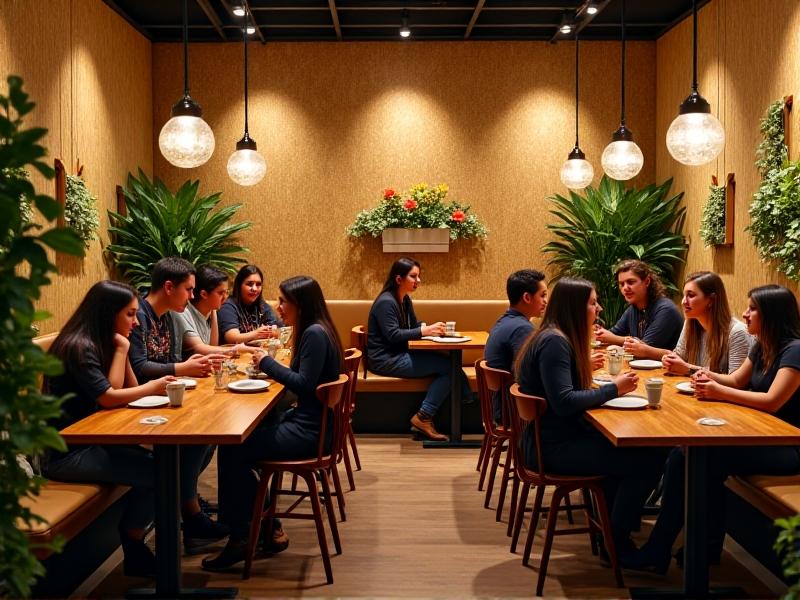
Coffee shops are sanctuaries for both social interaction and solitary reflection, but achieving this duality hinges on thoughtful acoustic design. Sound profoundly influences mood and behavior; excessive noise can deter customers, while a hushed environment may feel sterile. Striking the right balance ensures patrons linger without feeling overwhelmed. Studies show that moderate ambient noise (around 70 dB) fosters creativity, but sustained levels above this threshold correlate with discomfort and reduced dwell time. The challenge lies in harmonizing the lively hum of conversation with zones of quiet refuge.
Acoustic design in coffee spaces isn’t merely about noise reduction—it’s about sculpting soundscapes. For instance, a café in Lisbon uses curved ceiling baffles to diffuse sound waves, allowing laughter to circulate without echoing. Meanwhile, a Brooklyn roastery integrates vintage bookshelves as makeshift sound barriers between seating clusters. These solutions exemplify how acoustics contribute to a café’s identity, transforming it from a generic pitstop into a destination where sound enhances, rather than detracts from, the experience.
Understanding Sound Behavior in Open-Plan Environments

Open layouts dominate contemporary coffee shop design, prioritizing visual connectivity and flexibility. However, these spaces often suffer from reverberation—a phenomenon where sound waves bounce repeatedly off hard surfaces like concrete floors or glass walls. Reverberation time (RT60), which measures how long a sound takes to decay by 60 dB, is a critical metric. A high RT60 creates a cacophonous environment, as seen in a 2022 case study of a Melbourne café where RT60 exceeded 1.2 seconds, prompting 40% of customers to describe the space as ‘fatiguing.’
Architects combat this by manipulating room geometry and surface textures. Angled walls break up standing sound waves, while textured plaster finishes scatter high-frequency noises. Even barista workflows play a role: placing grinders behind sound-insulated screens reduces high-pitched background noise. By treating the coffee space as a holistic acoustic instrument, designers can direct how sound travels—whispers staying intimate, espresso machines thrumming rhythmically but not intrusively.
Material Choices: Balancing Aesthetics and Sound Absorption
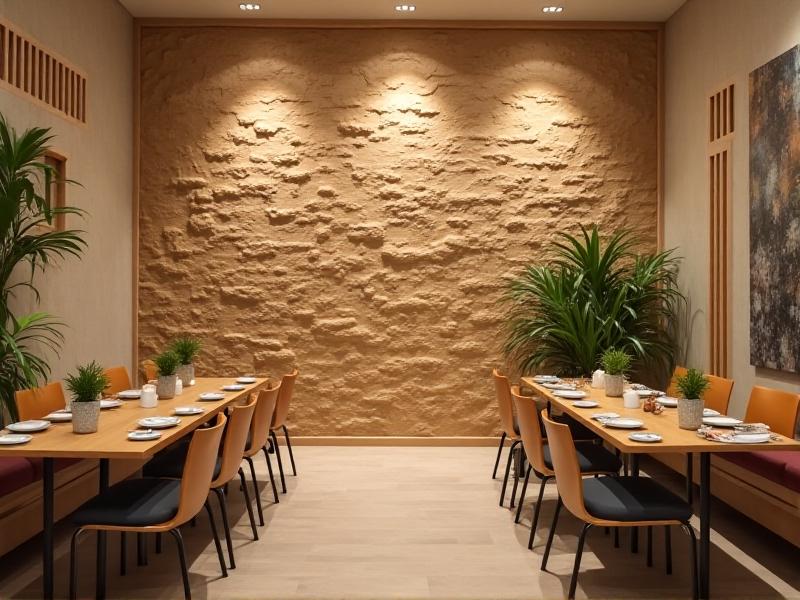
Material selection is where acoustic engineering meets interior aesthetics. Traditional options like fiberglass panels are effective but often clash with café ambience. Modern alternatives include cellulose-based acoustic tiles made from recycled newspaper—a favorite among eco-conscious Third Wave cafés. In Tokyo’s specialty coffee scene, compressed tea leaves formed into wall panels serve dual purposes: absorbing mid-range frequencies and emitting a subtle matcha aroma.
Soft materials dominate seating areas—velvet upholstery absorbs conversational frequencies (500–2000 Hz), while leather, though stylish, reflects sound. Underfoot, cork flooring reduces impact noise from foot traffic, outperforming hardwood in a 2023 noise transmission study. Even greenery contributes: a vertical garden in a São Paulo café was found to reduce reverberation by 15%, its foliage acting as natural sound diffusers. The key is layering materials to address specific frequency ranges without sacrificing visual warmth.
Spatial Layout and Furniture as Acoustic Tools
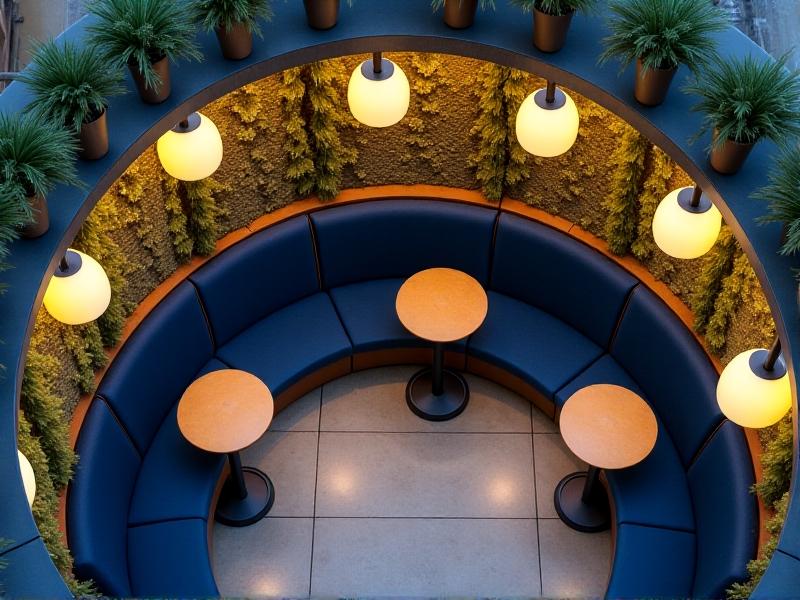
Furniture arrangement is an underrated acoustic lever. A Barcelona café’s ‘acoustic zoning’ strategy uses varied seating heights: low sofas near windows absorb street noise, while bar stools near the counter embrace the espresso machine’s kinetic energy. Partitioning needn’t mean walls—one London spot hangs translucent resin dividers etched with coffee bean motifs, reducing sound transmission by 8 dB while maintaining sightlines.
Modularity is trending. Stackable felt cubes in a Seoul café let staff reconfigure seating for daytime coworking (quieter, separated setups) and evening social hours (clustered layouts embracing communal noise). Ceiling design also plays a role: suspended cloud panels in a Montreal establishment follow the irregular contours of exposed pipes, merging industrial charm with sound-dampening pragmatism. Every design choice becomes a subtle curator of sonic experience.
Innovative Technologies in Coffee Shop Sound Management
Emerging tech offers dynamic solutions. Adaptive sound masking systems, like the one tested in a Chicago pilot café, use hidden microphones and AI to emit ‘pink noise’ tailored to counteract rising decibel levels. Patrons perceive the space as quieter even during peak hours. Elsewhere, app-controlled ‘sound bubbles’ allow guests to dial in preferred noise levels at their table via directional speakers—a concept borrowed from car audio systems.
Hybrid analog-digital solutions also thrive. A Kyoto café pairs vintage Shōji screens with vibration sensors that alert staff when table chatter exceeds preset thresholds. Meanwhile, a Swedish startup’s ‘Sonic Cutlery’ project redesigned cup handles to resonate at frequencies that cancel out clinking noises. These innovations reflect a shift from static acoustic design to responsive, user-centric sound ecosystems.
Cultural Nuances in Acoustic Design Across Coffee Cultures
Acoustic preferences vary culturally. In Japan’s kissaten (traditional coffee houses), designers prioritize isolation—thick tatami mats, double-layered curtains, and tatami-mat ceilings keep RT60 below 0.6 seconds to complement the meditative tea ceremony ethos. Contrast this with Naples’ historic cafés, where terrazzo floors and vaulted ceilings amplify the clatter of espresso cups, embracing sound as part of the energetic ritual.
Scandinavian ‘hygge’ cafés employ woolen drapery and birch plywood surfaces to cultivate warmth through muted acoustics. Meanwhile, in Istanbul, copper cezve clangs and backgammon tile clicks are celebrated as part of the soundscape—here, acoustic interventions focus on dampening street noise while preserving interior cultural sounds. These distinctions remind designers that acoustic strategies must align with local social rituals around coffee consumption.
Future Trends: Sustainability and Smart Acoustic Solutions
The next frontier combines eco-conscious materials with intelligent systems. Mycelium-based acoustic panels—grown from mushroom roots—are being prototyped in Berlin, offering carbon-negative sound absorption. Another breakthrough: piezoelectric flooring that harvests energy from footstep vibrations to power sound-masking systems. Such innovations align with the industry’s push toward net-zero operations while enhancing acoustic comfort.
Biophilic acoustic design is also rising. A Singapore café’s ‘living wall’ uses staggered planters filled with sound-absorbing moss species, while an Oakland lab experiments with algae-infused hydrogel panels that adjust porosity based on humidity and noise levels. As IoT networks become ubiquitous, expect cafés where acoustic environments adapt in real time—softening during morning laptop hours, energizing for afternoon meetups—all orchestrated silently behind the scenes.